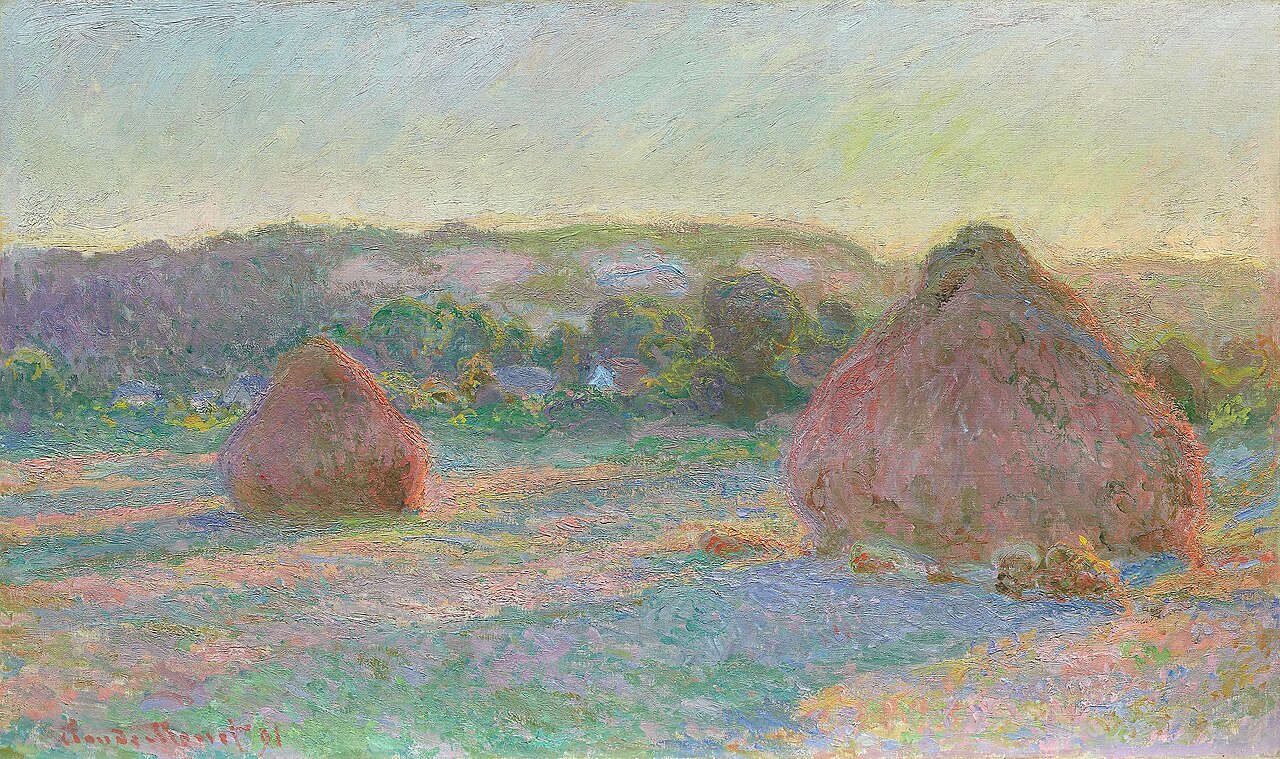
Building Haystacks: Reclaiming the Lost Art of Storing Loose Hay
In an age dominated by efficient machinery and standardized packaging, the sight of a meticulously built haystack is increasingly rare. Once a ubiquitous feature of agricultural landscapes across temperate regions, particularly in Europe, these magnificent structures represented not just a method of feed preservation but a testament to human ingenuity, communal effort, and a deep understanding of natural processes. The art of building haystacks, a practice likely dating back to the Neolithic period with the advent of livestock farming, is now largely a lost skill, overshadowed by the convenience of modern baling. Yet, understanding the principles behind these traditional farm storage solutions offers invaluable insights into sustainable practices and the timeless craft of working with nature.
The Historical Significance and Evolution of Haystacks
For millennia, the haystack was the cornerstone of winter fodder provision. Before the advent of mechanized balers, farmers relied on stacking loose hay to dry and preserve it for their livestock. This method wasn't merely a stopgap; it was a sophisticated system designed to protect precious feed from spoilage due to moisture and pests. Initially used exclusively for loose hay, the concept evolved over time. By the 1860s, haystacks were also used to cure sheaves of cereals before threshing and later adapted for low-density bales of hay or straw, showcasing their versatility.
The practice gave rise to different types of haystacks based on their purpose:
- Small Drying Stacks (Haycocks): These smaller piles were built directly in the meadow, allowing freshly cut hay to cure further before being transported to the farm or used on-site. The term "haycock" often refers to these initial, smaller gatherings.
- Large Storage Stacks: These monumental structures served as the final, long-term storage for hay and straw. Typically located near the farm but strategically placed away from buildings to mitigate fire risk, they could hold enough feed to sustain herds through long winters. For sheaves of cereals, these large stacks also served as storage before threshing.
Interestingly, haystacks even played a role in early silage making. Some historical methods involved constructing a haystack and then loading it with an impermeable material to create a rudimentary silo. In regions like Quebec, this was known as a stack silo, functionally similar to a molehill silo, demonstrating the adaptability of the basic haystack design.
Mastering the Art of Building a Haystack: Key Principles
Building a successful haystack was far more than just piling hay. It was a highly skilled endeavor, demanding an understanding of hydrodynamics, compression, and ventilation. The primary goal was to make the stack waterproof and ensure the hay cured properly, retaining its nutritional value and aroma. Here’s how it was done:
- Site Selection and Foundation: The first step was choosing a slightly raised area for collection, crucial for allowing water to drain away naturally, preventing the bottom layers from rotting. Often, a foundation of wood, brush, or stones was laid directly on the ground to further reduce spoilage from ground moisture. Some designs even incorporated a central wooden pole or tree to provide structural stability and a framework around which to stack the hay.
- The Stacking Process: This was where true artistry came into play. Hay was stacked in layers, carefully compressed under its own weight and with manual effort. The heat generated by the residual moisture within the hay aided this compression, helping to form a dense, weather-resistant structure. The key was to build the sides with a slight overhang and progressively taper the stack towards a conical or ridged top. This distinct shape was paramount for shedding rain and snow, ensuring water ran off the stack rather than penetrating it.
- Achieving Waterproofing: The skillful arrangement of the hay layers was central to waterproofing. The outer layers, though they might turn a dull gray from weathering, protected the inner core. The interior hay, shielded from the elements, would retain its faded green tint and, remarkably, much of its fresh-cut aroma, a testament to effective preservation.
- Protection and Maintenance: To prevent cattle from approaching and eating the valuable feed, a small wall or fence was typically built around the haystack. In some advanced designs, haystacks were covered with thatch for extra protection. More elaborate structures, historically known as Dutch roofs, hay barracks, or hay caps, featured a moveable roof supported by four posts that could be lowered as hay was consumed, offering ultimate protection.
Practical Insight: The success of a haystack hinged on the builder's ability to create a consistent density and angle, preventing pockets where moisture could collect and lead to spoilage or even spontaneous combustion due to excessive heat generation from microbial activity.
Life Around the Haystack: Storage, Usage, and Community
The haystack wasn't just a storage unit; it was a dynamic part of daily farm life. Its presence dictated workflows and influenced the rhythm of the seasons. Once built, it became the farm's pantry, holding a season's worth of effort and sustenance for the animals. When winter arrived, the haystack was "opened" with a specialized knife, and a portion of hay was cut off daily to feed the animals. This careful rationing ensured the integrity of the remaining stack, keeping it protected until needed.
The communal aspect of haystack building was also significant. Constructing these large structures often required multiple hands, fostering community spirit and shared labor. It was a collective endeavor that reinforced the bonds within rural communities, with experienced builders passing down their intricate knowledge to younger generations. This oral tradition and hands-on learning were vital in preserving the skills required for proper loose hay storage.
From Haystacks to Bales: An Agricultural Revolution
The mid-20th century brought a profound shift in agricultural practices. The widespread adoption of machinery, particularly hay balers, heralded the decline of the traditional haystack. Bales, initially low-density and later evolving into the high-density square and round bales we know today, offered undeniable advantages:
- Efficiency: Baling significantly reduced the labor and time required for hay handling and storage.
- Portability: Bales are easier to transport and distribute, whether on the farm or for sale.
- Stackability: Bales can be neatly stacked in barns or sheds, offering superior protection from weather and pests compared to open-air haystacks.
This modernization, while beneficial for agricultural productivity, inadvertently led to the fading of the intricate art of haystack building. The specialized knowledge and physical skill required became less necessary, slowly turning a once-essential practice into a historical footnote. To delve deeper into this transformation, consider reading about From Haystacks to Bales: The Evolution of Farm Storage.
Conclusion: The Enduring Legacy of Haystacks
The traditional haystack, a marvel of practical engineering and natural wisdom, may largely be a relic of the past, but its legacy endures. It reminds us of a time when farmers worked more intimately with the land, leveraging observation and skill to preserve their harvest without the aid of modern technology. While modern baling techniques offer efficiency, the haystack stands as a symbol of agricultural heritage, demonstrating how our ancestors solved complex problems with simple, elegant solutions.
Beyond the agricultural context, the word "Haystacks" itself holds cultural significance, notably as the name of a beloved fell in the Lake District National Park, immortalized by Alfred Wainwright. For more on this iconic landscape feature, explore Haystacks Fell: Wainwright's Beloved Lake District Icon. Whether referring to an ancient method of storing feed or a dramatic Cumbrian mountain, "Haystacks" evokes images of resilience, natural beauty, and a deep connection to the land that continues to inspire and inform us today.
